
Pack Light, Stand Tall

Footprint-First Experience Design
Mapping Micro-Journeys
Plot a visitor’s path from five meters away to one arm’s length. Clarify what they notice first, what prompts a pause, and what action follows. We once reoriented a counter by fifteen degrees and doubled scan-ins because the QR code finally aligned with natural approach angles under real hallway traffic conditions.
Vertical Real Estate
When floorspace is capped, grow up. Telescoping masts, tension-fabric towers, and stacked shelving turn height into messaging, storage, and theater. Keep stability top-of-mind with weighted bases and discreet guying. A three-meter beacon can outshine larger neighbors, guiding eyes above shoulder-level clutter and signaling confidence without sprawling into adjacent aisles.
Lighting That Guides
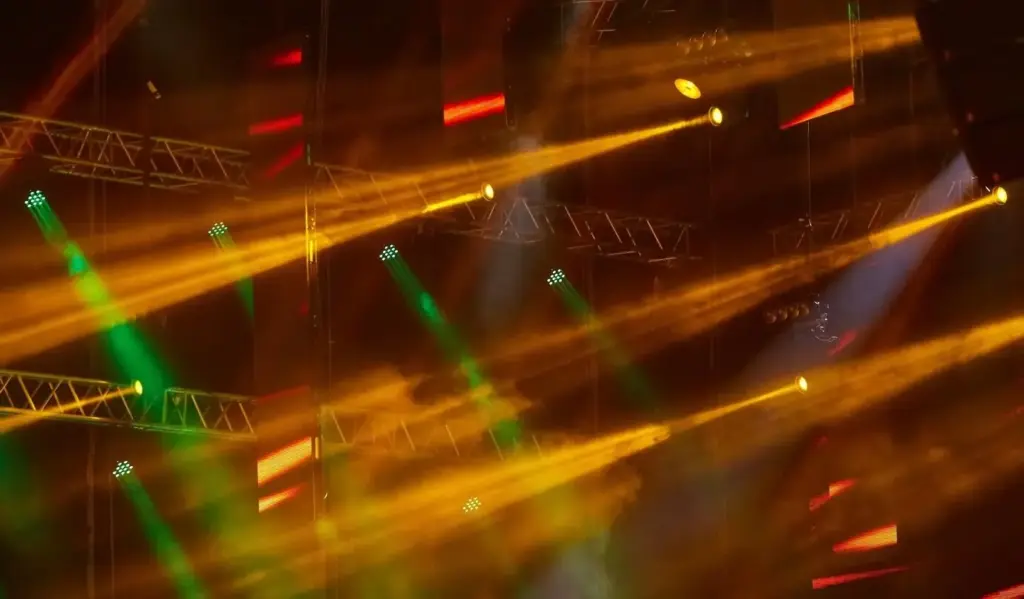
Directional lighting carves paths, spotlights hands-on moments, and flatters faces for shareable photos. Battery-powered LED bars and magnetic mounts speed placement while avoiding cable chaos. Warm accents invite approach; crisp task light reveals texture; subtle motion draws attention. Treat illumination as active wayfinding, not decoration, and watch dwell time rise naturally.
Modularity That Moves

Materials Built for the Circuit
{{SECTION_SUBTITLE}}

Lightweight Strength

Surfaces That Survive
Logistics, Permits, and Venue Realities
The 60-Second Pitch to Ops
Venue managers appreciate clarity: footprint, weight, setup time, power draw, crowd flow, and fallback plan. A single-page drawing with labeled components and evacuation paths builds trust. After witnessing organized teams, ops often grants better placement or access, multiplying impact without a single extra euro spent.
Compliance in a Carry Case
Prepare printed and digital certificates: flame ratings, ASTM references, ADA reach ranges, and load ratings. Keep zip pouches with fasteners, spare caps, and zip ties. Train staff on verbal checklists so answers come crisply. Compliance is theater too; preparedness lowers objections and accelerates approvals at the threshold.
Travel Math That Works
Balance freight versus local builds. A compact set that rides in checked cases can outpace crates stuck in customs. Compare liftgate fees, union labor rules, and overtime surcharges. Plan buffer days only where necessary; otherwise invest saved hours into rehearsal and content capture that sustains social momentum.
Interactive Storytelling in Small Spaces
Screen Alternatives That Shine
Not every story needs a screen. Mechanical flips, magnetic product tiles, scent capsules, and guided touch surfaces invite play and linger time. We watched a queue form around a simple analog dial that personalized recommendations, creating smiles, conversations, and a natural prompt to capture emails.
Sensors and Triggers
Load cells, BLE beacons, and proximity sensors can log engagement without overwhelming the senses. Use gentle cues: a light pulse when an object lifts, a soft chime on completion. Keep privacy in mind with clear signage. The goal is feedback that feels helpful, not intrusive, and supports staff storytelling.
Staff Choreography
Train hosts with short scripts that flex. Open with an observational compliment, bridge to a micro-demo, then offer a clear action. Build in resets so lines move and props return home. Stellar staffing elevates humble fixtures, transforming a constrained corner into a warm, magnetic meeting place people remember.

Data You Can Grab Fast
QR codes tied to UTM parameters, NFC tags with short URLs, and lightweight survey prompts capture intent without friction. Count interactions with passive sensors and verify trends with staff notes. The combination of quantitative signals and human observation yields guidance you can actually trust under real event pressure.
ROI Beyond Leads
Measure photo shares, conversation quality, and post-visit actions like trial activations or micro-purchases. A compact build that travels weekly can out-convert a massive booth that appears annually. Celebrate scrappy wins publicly and invite feedback, turning readers into collaborators who help refine the next iteration’s priorities and experiments.
The Post-Event Retrofit
Schedule ninety minutes for teardown notes: damaged parts, slow steps, messaging confusion. Replace a wobbly shelf with a wider brace, reroute cables, rewrite a headline. Small fixes compound across tours. Comment with your biggest constraint or most surprising hack, and we will test it on our next road run.